Impactful Communication: 5 Essential Techniques for Becoming an Effective Communicator (Authority Magazine Interview)
In an age dominated by digital communication, the power of articulate and effective verbal communication cannot be understated. Whether it’s delivering a keynote address, leading a team meeting, or engaging in a one-on-one conversation, impactful speaking can open doors, inspire change, and create lasting impressions. But what truly sets apart an effective communicator? What techniques and nuances elevate a speech from mundane to memorable?
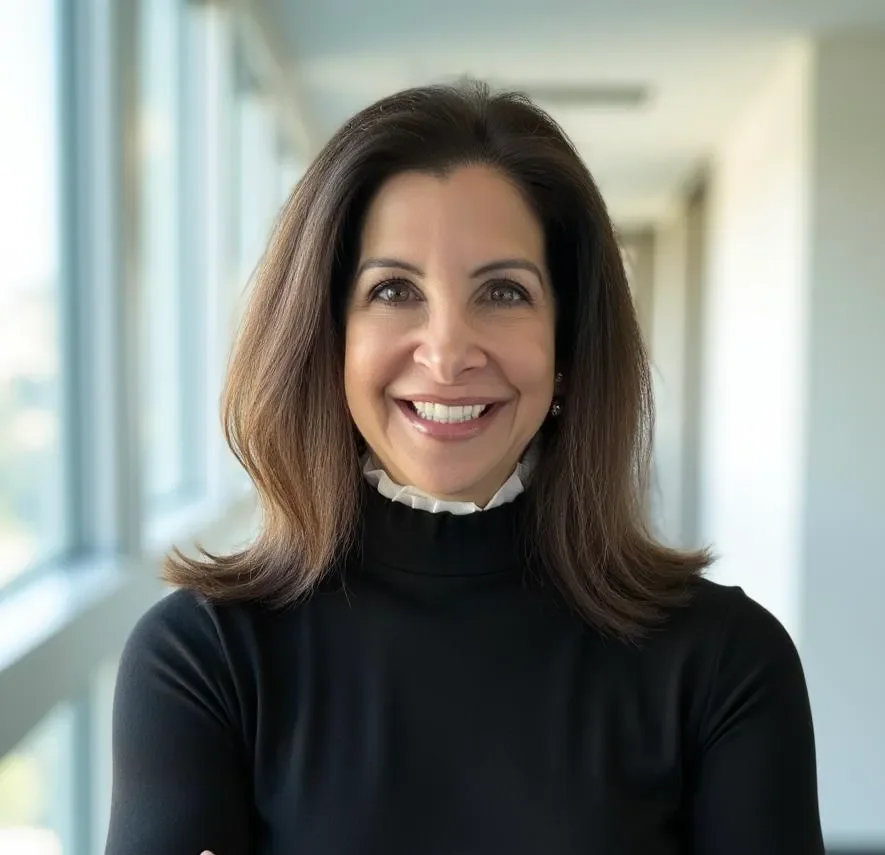
As a part of this series, we had the pleasure of interviewing Erris Langer Klapper.
Erris is an attorney, writer and certified professional coach and consultant, with a master’s degree in industrial and organizational psychology. She is also a prolific writer, and her articles have appeared over 100 times in numerous media outlets including Huffington Post, Cosmopolitan, Redbook, Good Housekeeping, Woman’s Day, Yahoo News, Country Living, Esquire, House Beautiful and more. She leverages her multidisciplinary background to promote communication skills by blending a deep understanding of the legal/corporate landscape with the intricacies of human behavior at work. She is experienced in coaching executives to accomplish goals, including personal growth and leadership development, strategy, team management, improving dynamics, engagement, work-life balance and more. She specializes in Imposter Syndrome navigation and management, executive presence and communication.
Thank you so much for joining us in this interview series. Before we dive into our discussion about communication, our readers would love to “get to know you” a bit better. Can you share with us the backstory about what brought you to your specific career path?
Three decades ago, after majoring in psychology, I graduated from law school and embarked on a career that lacked passion, marked by indifference and many regrets. I muddled through, learned a great deal, got promoted, and made a living. I appreciated the critical thinking, analytical, writing, and negotiation skills I honed along the way, but I couldn’t imagine being a practicing lawyer for the rest of my life. I consider my active practice years to be the first one-third of my career.
When a close friend challenged me to find and name my passion, I admitted to dreaming of becoming a writer. It sounded so pretentious and beyond my reach, but I learned how to pitch, edit, and not take rejection personally. Eventually, I claimed my little slice of that competitive world, which you know only too well, publishing over 100 articles. (I’ve been working on a memoir on coming of age in South Africa during the height of Apartheid forever now — and who knows what will come of it — but at least my second draft is done.) Triumphs and disappointments filled the second-third of my journey, but my passion and energy infused every day of my second career.
I also found immense gratification in coaching aspiring writers and bloggers on unblocking potential, manifesting ideas into words, overcoming the tyranny of the blank screen, fear of criticism, and getting published. I loved working with students to produce striking and insightful college and graduate level admission essays with proven results.
In my final one-third, I co-founded a consulting company, counseled diverse and fascinating individuals, went back to school for my master’s degree in industrial and organizational psychology, became a certified professional coach, and founded my own coaching and consulting business. Practicing on my own and doing things my way has always been a dream.
It turns out that one way or another, I had been coaching and mentoring for most of my adult life. And that’s where my passion truly meets its purpose.
I firmly believe that we can and should dare to dream. Not just one dream. All our dreams. Going back to school to round out my experience and formalize my education was no easy feat in my 50s, but the alternative was stagnation, which is my biggest fear. Today, I continue to find joy in working with my individual clients, consulting for businesses, writing, educating, and presenting. To keep from being bored, and yes, that was facetious, I am working on launching my own podcast: Beyond Your Job, a space where we’ll talk about work, life, balance, and everything in between.
Can you share the most interesting story that happened to you since you started your career?
Several years ago, a medical practice owner believed his company was struggling because of operational and employee issues. With his consent, I conducted structured interviews with key employees and discovered that the core constraint was not systems or staff, but his own micromanagement. When I presented this finding, he reacted emotionally and became defensive. I gave him space to process the information, and before I could respond with my planned pep talk, he shared that my findings did not surprise him at all. In effect, he had engaged me to validate something he already sensed. This experience highlighted a common dynamic in leadership consulting: clients sometimes seek external confirmation of insights they intuitively know but are not yet prepared to fully confront without external validation.
I am no longer surprised that clients have seemingly obvious “aha” moments, and research confirms that individuals can sense the presence of an answer before they can consciously articulate it. Most leaders I work with subconsciously register misalignment between their behavior and outcomes long before they openly acknowledge it, and I understand and appreciate my role as coach and accountability partner in that process.
You are a successful business leader. Which three character traits do you think were most instrumental to your success? Can you please share a story or example for each?
Perseverance is one of my strongest traits and a defining factor in my success. Like everyone else, I have plenty of doubts and fears, but those drive me to work through them rather than walk away. During my master’s program, I was petrified of the required statistics class: I had not stepped foot in a classroom in 30 years and had little aptitude for math. I confronted my apprehension (sometimes with a lot of kicking and screaming) head-on, and despite significant self-doubt, it became one of my favorite courses and a skill I now use consistently in my work. Similarly, I traditionally despised public speaking, due to a traumatic mock-trial experience in law school. My work now involves frequent public presentations to diverse audiences, and I’ve not only conquered my disdain but genuinely enjoy these presentations. I am tenacious and possess grit by nature; once I commit to a goal, I continue pushing forward until I succeed.
Not taking things personally: Embarking on a new career, and specifically, launching my own business, involves extensive networking. This means countless calls, meetings, consultations, and follow-up emails, along with significant time and effort that doesn’t always lead to immediate results. Rather than becoming discouraged, I’ve learned to view these moments as part of the process. Not every opportunity will pan out, but consistency and resilience are essential to staying focused. I keep showing up and continue building momentum, even though it can be very frustrating.
I’m an inherently curious person with a deep thirst for knowledge. When I read fiction or non-fiction, I often stop to research or just Google-image a place that is mentioned. I always want more and value in-depth over shallow interactions. I learn about others by asking questions and listen actively and purposefully, which is essential to being a good coach. I truly care about the stories that unfold and the humans attached to them.
Ok, thank you for that. Let’s now jump to the primary focus of our interview. Let’s begin with a basic definition so that we are all on the same page. How would you define an “Effective Communicator?” What are the characteristics of an effective communicator?
An effective communicator promotes clarity and fosters trust by questioning honestly, listening with empathy and curiosity, aligning intent with impact, choosing words responsibly, and using physical presence to create psychological and relational safety.
How can one tailor their communication style to different audiences or situations?
Question bravely, listen deeply, be present, show up, and build trust.
I am a strong proponent of intentional questioning of myself and of others. Effective communication begins with self-assessment: Who is my audience, and what is my objective? This should be followed by a third, equally critical question: How can I foster understanding and trust to achieve that objective?
Meaningful dialogue requires asking questions rooted in genuine curiosity and a sincere desire to understand. Actively reframing and reflecting back what has been shared ensures alignment and reduces misinterpretation. Phrases such as “If I’m hearing you correctly…” or “Let me make sure I understand…” demonstrate engagement and accountability for clarity.
Equally important is delivery. These questions should be posed with a calm, confident, and measured tone, as reflective statements can easily be misperceived as dismissive or sarcastic if not communicated thoughtfully.
Can you provide an example of a time when you had to adapt your communication style to reach a particular audience successfully?
I consciously adapt my communication strategy based on both the audience and the objective.
For example, when representing a pro bono client seeking recovery of several months’ unpaid wages following an unjust termination, I conducted a thorough review of his employment agreement and confirmed that the employer was in breach. After issuing a formal demand letter without resolution, I initiated direct negotiation with the employer. The discussion was adversarial and required assertive positioning, precise legal language, and firm boundary-setting. Through disciplined advocacy and strategic pressure, my client ultimately recovered the full amount owed.
That adversarial posture, however, is fundamentally different from how I operate in a consulting environment. When advising leaders, particularly on issues impacting organizational health, morale, and performance, my approach centers on diplomacy, careful word choice, tone, and body language. Recently, after conducting an office-wide diagnostic survey, I presented the findings to a business owner who had engaged me not only to uncover underlying issues, but to translate them into actionable insight. I delivered the results using measured, non-defensive language, framing systemic problems in a way that reduced threat, preserved trust, and increased receptivity. By combining data-driven analysis with empathy, diplomacy, and a solution-oriented narrative, I was able to help the owner internalize the findings and collaborate on process improvements, team alignment, and trust-building initiatives that have since produced sustained positive outcomes.
Listening and providing a safe space for growth and accountability are very different from zealously advocating with the goal of winning. It’s important to note that adapting our communication styles does not make us chameleons in the negative sense; it makes us highly intuitive and emotionally intelligent individuals who are better equipped to have productive discussions.
How do you handle difficult or sensitive conversations while maintaining open and effective communication?
This is where both language and demeanor play a critical role. In any potentially volatile situation, feeling awkward is inevitable. No one enjoys getting into the messy stuff. I’ve read many books on communication styles, but I also draw on my background in psychology and my studies of the Gottman Method of marriage therapy, because let’s face it, marital strife can lead to some tough conversations. Drs. John and Julie Gottman have been studying “master” and “disaster” relationships for over 50 years, so I think they have something to teach us about communication — both personal and professional.
A Gottman Method technique that I like and incorporate into executive coaching is called “soft startup,” which involves leading with kindness and appreciation. It is meant to prevent defensiveness and resistance. I also draw on the Appreciative Inquiry theory in Industrial and Organizational psychology, which focuses on strengths and what is working, rather than on fixing what is not. Managers can reframe difficult conversations with employees by opening with positivity. For example, saying, “I believe in your ability to grow. What kind of support do you need from me to help you achieve that…? or “Here is what I see happening. Let’s talk through your perspective…” fosters a soft, positive approach.
Trust needs to be established as a foundation for the relationship and as a framework for the difficult conversation. I like openers such as “Let’s address the elephant in the room. It’s uncomfortable but important,” or “I care about you. Let’s have the difficult conversation, which will ultimately make things better.” Five decades of the Gottman Method research confirm that this approach helps reduce criticism, contempt, defensiveness, and stonewalling that not only degrade a relationship, but render difficult conversations feudal.
Handling sensitive conversations is not just about words. It’s about body language: Open posture rather than crossed arms, maintaining soft eye contact, and using a calm, respectful tone of voice to signal you are an ally who is in it to make things better. Looking for common ground rather than ways to attack and point out the negatives carves the path toward real resolution.
I can talk about this all day. One last point: “I” statements are a communication strategy shown to reduce defensiveness and improve conflict resolution by focusing on personal experience rather than blaming others. Instead of using accusatory language (“You never listen”), “I” sentences frame concerns around the speaker’s feelings and needs (“I feel unheard when I’m interrupted”). This approach results in less hostility and defensiveness and increases the likelihood of a constructive dialogue. “I” statements also align with principles of assertive language and taking responsibility for our feelings and perspective.
In your experience, how does storytelling play a role in impactful speaking? Why do you think stories are effective in communication?
Storytelling plays a critical role in impactful speaking because it transforms abstract ideas, theory, and endless slide presentations into a lived experience. The messaging becomes more relatable, memorable, and emotionally resonant, as long as personal anecdotes do not overshadow sound learning principles. Data and facts establish credibility, but an appropriate interjection of stories creates a connection by engaging learning with an emotional connection to the material. Storytelling builds trust, lowers defensiveness, and creates psychological safety, which increases openness and retention. Storytelling also provides context for what is being communicated and why it matters.
I often open presentations with a story that relates to why the information I’m about to present matters to me (and why it should matter to the audience). This is not just a technique to hook in the crowd, but a way to share authenticity and reinforce the underlying concepts I’m about to share. I’ve found that it is such a powerful tool for fostering clarity while building community and connection.
Press enter or click to view image in full size
Here is the main question of our interview. What are your “5 Essential Techniques for Becoming an Effective Communicator”? If you can, please share a story or an example for each.
1. Using Powerful Questions as a Communication Tool
Using powerful questions as a communication tool can transform routine exchanges into meaningful, insight-rich dialogue by encouraging deeper thinking, fostering connection, and building trust. Open-ended questions, a technique commonly used in coaching, invite people to dig deep, discover their own insights, and manifest their own solutions, creating accountability and buy-in. When we question others in dialogue, we demonstrate genuine curiosity and active listening, signaling respect for the other person’s experience and creating space for them to explore their thoughts more openly. This collaborative approach that leans on genuine curiosity and support facilitates self-reflection, processing of complex ideas and emotions, and exploration of possibilities.
Pointed questions can also be used as a tool to invite explanation without putting the other person on the spot. How many of us have had to hold back or regretted saying, “What were you thinking?” or “Why did you do that?” Instead, “I noticed how you reacted to ‘X.’ Help me understand where you are coming from?” invites introspection and discovery rather than judgment.
2. Listening with Intention, Emotional Awareness, Curiosity and Empathy
Listening with intention, emotional awareness, curiosity and empathy facilitates effective communication by improving understanding, relational trust and emotional engagement. When we actively devote our full attention and listen with empathy, our responses are more reflective and sensitive. How often have we found ourselves in situations when we feel or know that the person we are speaking with is just not listening? And conversely, how often do we only half-listen? These interactions are not conducive to picking up on social and emotional cues or to increasing speakers’ feelings of being understood. Empathic listening contributes to psychological safety, supporting openness and honest dialogue in both professional and personal contexts. So often we tune out because we are overwhelmed, or don’t have time, or worse yet, have no interest. These interactions lead not only to conflict but to further attempts for clarification, which could be avoided by being present and listening with intention in the first place.
3. Aligning Our Intent With The Impact Of Our Words
Aligning our intent with the impact of our words leads to more productive communication. Even the most effective, neutral, and positive communicators can stumble when the impact of their words does not match their intent, leading to communication breakdown and potentially anger, pain, and resentment. Our natural response is usually, “I didn’t mean it that way,” but research supports that to reduce defensiveness, acknowledging the negative impact of our words with “I can see that my comment came across as dismissive” rather than arguing intent, validates the other person’s experience, and diffuses the situation more effectively. Realistically, we are all human and cannot always predict the impact of our words but can and should take ownership and accountability to correct and align the intent of our words with their impact.
4. Words Matter
Words matter. The specific language we choose shapes how messages are understood, how people feel, and how they respond. Subtle shifts in wording can significantly improve clarity, increase persuasion, and strengthen the connection between communicators, or cause confusion, misunderstanding, and hurt feelings. When we use language that signals certainty rather than hedging, we tend to appear more credible. For example, “I think we should consider trying this approach,” is not as strong as “I recommend we try this approach.” While subtle, the difference in words influences interpretation, engagement, and the likelihood of achieving desired outcomes in both personal and professional interactions.
5. Body Language Conveys Emotion
Body language conveys emotion, and in many instances, replaces speech. Tone, facial expression, posture, gestures, and even how far apart we sit or stand, can alter a message and contradict or support the words we use. Open, relaxed positioning and steady eye contact (in our culture, specifically) tend to build trust and connection, while closed posture, avoidance, or excessive distance can signal discomfort or disinterest. Imagine attempting a difficult conversation personally or professionally and being met with crossed arms and an averted gaze? People often interpret nonverbal cues subconsciously and quickly, so what we convey nonverbally affects overall communication effectiveness.
How do you integrate non-verbal cues into your communication? Can you provide an example of its importance?
We already addressed the importance of body language, so let’s talk about the power of the pause. Pausing is an effective tool that I use in coaching and has multiple positive applications in effective communication. Frequently, we talk over one another, missing opportunities to listen and understand. As speakers, pausing allows us to organize our thoughts, choose our words deliberately, and align our intention with the potential impact of our words. As listeners, a pause allows us to process and synthesize information. Research supports that natural pauses allow us to chunk and digest information more effectively. I find that people avoid pausing as they fear it makes them look hesitant, but in reality, appropriately timed pauses convey confidence and credibility. In my practice, I find that pausing and allowing my clients the space to reflect without rushing the conversation encourages deeper dialogue and fosters a more meaningful exchange.
How has digital communication changed the way you convey your messages? Are there any specific challenges or advantages you’ve encountered?
As a writer, I’m a fan of digital communication, but I’m acutely aware that the lack of verbal cues in emails or texts can lead to unintended pitfalls. The point of digital communication is convenience and speed, which is also its downfall. I sometimes read a draft out loud to myself or anonymously share with someone I trust to avoid mistakes in tone and ambiguity. Generally, I find digital communication a lifesaver. The ability to send off a message or provide a quick answer is extremely helpful, but I recognize that when I multitask or I’m distracted, mistakes can happen. More than once, I’ve replied ‘to all’ in an email or to the group in a text when I meant to privately message the sender. The embarrassment has taught me to slow down, but I’m sure that won’t be the last time it happens.
Public speaking is a common fear. What techniques or strategies do you recommend to manage and overcome stage fright?
Public speaking is a necessary evil and one of the most essential professional skills. While I dreaded mock trial in law school, that experience ultimately prepared me for the many presentations that followed. Every effective presentation begins with a defined takeaway and an understanding of the intended audience. Communication research consistently demonstrates that relevance enhances engagement, retention, and persuasive impact. Tailoring content to the audience’s expectations ensures that the message resonates.
Preparation remains the most reliable antidote to anxiety. Exposure through practice, ideally in front of individuals who ask thoughtful or challenging questions, builds both competence and confidence.
Physiological regulation plays a critical role in managing anxiety, which understandably heightens before we begin speaking. Techniques such as 4–7–8 breathing and square breathing help regulate the autonomic nervous system and calm nerves. In 4–7–8 breathing, you inhale for four counts, hold the breath for seven counts, and exhale slowly for eight counts. Square breathing typically involves inhaling for four counts, holding for four, exhaling for four, and holding again for four. The extended, controlled exhalation is particularly important because it stimulates the Vagus nerve, activating the parasympathetic nervous system so that the body can rest. Research in psychophysiology demonstrates that slow diaphragmatic breathing can reduce heart rate, lower cortisol levels, improve heart rate variability, and decrease acute anxiety. In practical terms, these techniques interrupt the fight-or-flight response and restore cognitive clarity and calmness.
Here’s another trick (although this one is more visible to the audience, so you may want to perform it in private before your speech): Hand and limb shaking, which we often observe in athletes, is known as proprioceptive discharge. Under stress, the sympathetic nervous system increases muscle tension in preparation for action. Brief, intentional movements like shaking the hands or rolling the shoulders activate these proprioceptive pathways, reduce tension, and interrupt the stress response.
I want to share just one quick story: A friend, who is an experienced psychotherapist, tripped and fell over the cord of his microphone while giving a presentation. He was momentarily stunned, got up, made a joke, and kept going. His presentation was a success despite this blunder, and I’m willing to bet that he left a lasting impression on the audience. The lesson is that stuff will happen; own it, handle it, and keep going.
What additional resources do you recommend for individuals looking to improve communication skills?
Working with an executive coach can provide individualized feedback, practice, and accountability. Structured courses and masterclasses, particularly those grounded in evidence-based practices, offer frameworks that improve message clarity and impact and promote confidence-building. Viewing high-quality talks to observe effective pacing, vocal modulation, and nonverbal delivery can strengthen performance through modeling. Sometimes recording and reviewing our own presentations leverages principles of self-assessment and metacognition, but honestly, this would stress me out too much. I advise trying some or all of these ideas and tailoring them to individual needs.
You are a person of great influence. If you could start a movement that would bring the most amount of good to the most amount of people, what would that be? You never know what your idea can trigger. :-)
This is an easy one for me because I’ve been hoping for this for so long: I wish that each one of us did one good thing for another person, not in our immediate circle, every single day. There are so many ways to do this: buying the person behind you in line a cup of coffee, noticing and complimenting someone, stopping to greet a pet (with permission), or spending a few extra minutes in conversation. The possibilities are endless. Imagine our society if every single person did this every single day with no exceptions. Research confirms that performing consistent acts of kindness is associated with greater life satisfaction, positive affect, and increased appreciation for others. So, this is not only good for others, but it’s also a way for us to be good to ourselves.